
How to Spot a Fake Dating Profile Before You Get Attached
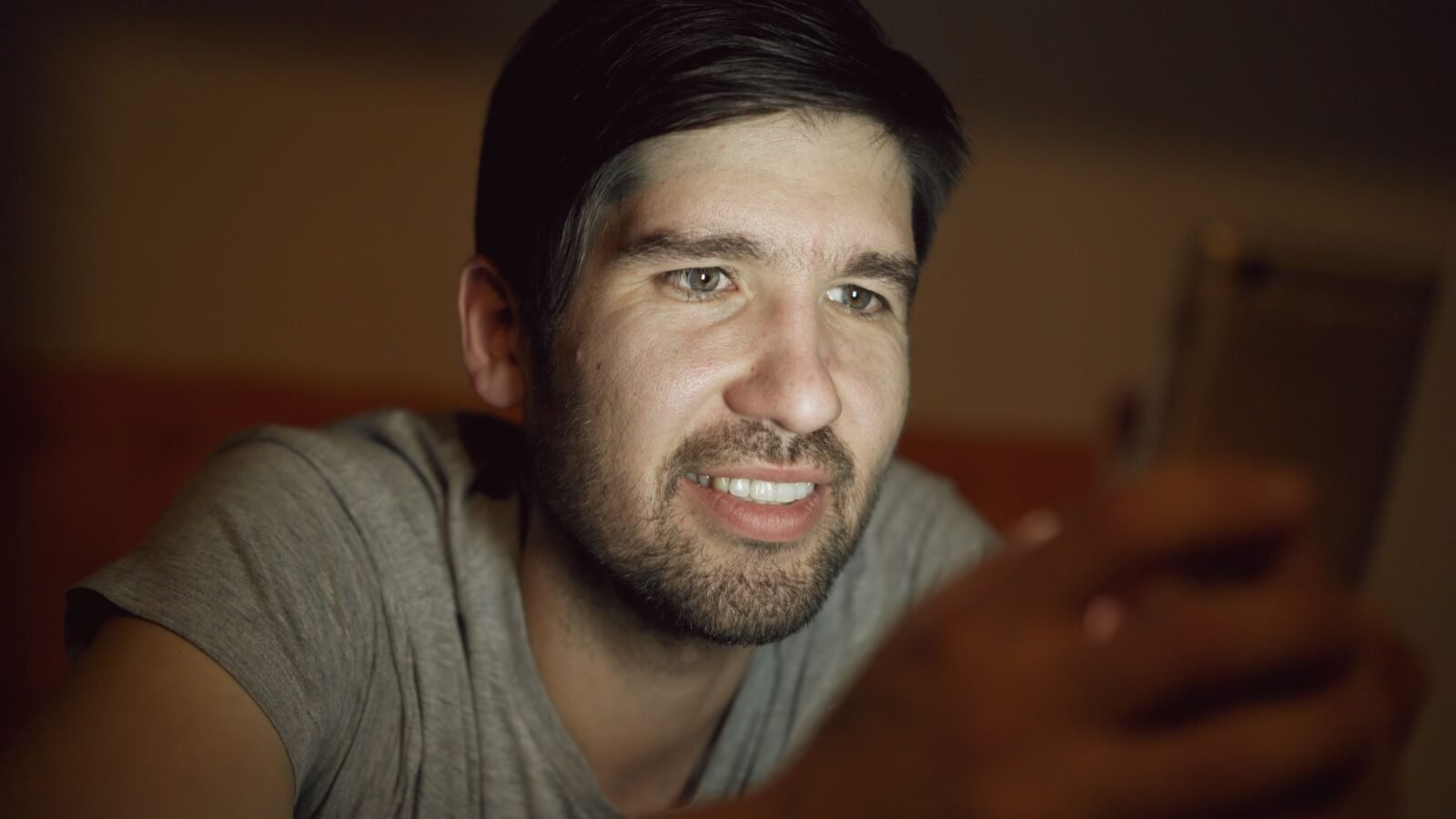
Quick Answer: Knowing how to spot a fake dating profile in 2026 means looking beyond photographs and polished messages. AI-generated faces and convincing writing have made traditional warning signs less dependable. What matters increasingly is how someone behaves: whether their story remains consistent, whether they avoid genuine interaction, whether intimacy develops unusually quickly, and whether money ever enters the conversation.
The conversation has been going well for three weeks.
They are warm, funny, attentive in a way nobody has been for a while. They remember what you said on Tuesday. They ask about your day. They seem genuinely interested in the small details of your life.
There is just one thing.
You have never actually met them.
They have a reason they cannot do a video call. It is a good reason, too. And by now, asking again feels almost insulting.
This is the part that matters. Not necessarily the moment somebody asks for money, but the weeks before it, when a stranger can become emotionally important without ever proving they are who they claim to be.
And in 2026, recognising a fake dating profile has become considerably more complicated.
Why the Old Advice About Fake Dating Profiles No Longer Works
For years, identifying suspicious dating profiles meant looking for familiar warning signs.
One blurry photograph. Someone who looked suspiciously like a professional model. Messages full of spelling mistakes. A profile description that sounded copied from somewhere else.
Those clues can still matter, but they are no longer enough.
Artificial intelligence has changed what a convincing fake identity can look like.
AI-generated images can depict people who have never existed. These photographs may look remarkably natural, with realistic lighting, expressions and backgrounds.
A reverse image search might return nothing because the photograph has never appeared online before.
Meanwhile, AI writing tools can produce fluent, thoughtful, emotionally engaging messages in seconds.
Someone can appear articulate, funny, and interested without having written a single word themselves.
This creates a dangerous assumption: that a polished profile must belong to a genuine person.
It might. But presentation alone tells you very little.
The more useful question is no longer simply whether the profile looks authentic.
It is whether the person behind it behaves authentically over time.
Related Article: How to Tell If a Dating Profile Is AI Written
How Common Are Fake Dating Profiles and Romance Scams?
More common than many people realise.
According to figures reported from the US Federal Trade Commission’s Consumer Sentinel Network, the first nine months of 2025 saw 55,604 reports involving romance scams, with approximately $1.16 billion in reported losses.
The number of reports represented a 22% increase compared with the same period in 2024.
Those figures represent reported fraud, not the total number of fake dating profiles. They also cannot tell us exactly how many people encounter scammers without losing money.
But they demonstrate the financial scale of romance fraud.
Research from Pew Research Center offers another perspective.
In a survey conducted in 2022, 52% of Americans who had used dating sites or apps said they had encountered someone they believed was trying to scam them.
Among online daters aged 50 and older, the figure was 47%.
These are self-reported experiences rather than independently verified scam encounters. Nevertheless, they show how widespread suspicion and exposure have become.
And behind every statistic is something that financial figures cannot fully capture.
The emotional cost of believing someone genuinely cares about you, only to discover that the relationship was never real.
How to Spot a Fake Dating Profile When the Photos Look Real
The most revealing warning signs are often found in the interaction rather than the profile itself.
1. Emotional intimacy develops unusually quickly
You have only been talking for a few days, yet they already describe your connection as extraordinary.
They might talk about destiny, love or a future together before you have had an opportunity to know each other properly.
Of course, genuine attraction can develop quickly.
The concern is not enthusiasm. It is the combination of intense emotional language and very little real-world accountability.
When someone wants emotional commitment without allowing you to establish who they are, pay attention.
2. There is always a reason they cannot speak or meet
Their camera is broken.
Their internet connection is unreliable.
They are travelling for work.
A family emergency has appeared.
Any one of these explanations might be perfectly genuine.
But when every attempt at ordinary, real-time contact produces another obstacle, the pattern deserves scrutiny.
Someone being shy, busy, or uncomfortable with video calls does not automatically make them dishonest.
What matters is whether they make reasonable efforts to build trust in other ways.
3. They want to move the conversation elsewhere immediately
You have exchanged only a handful of messages when they suggest switching to WhatsApp, Telegram, or another private messaging service.
There are innocent reasons for doing this.
However, scammers may prefer moving conversations away from dating platforms because it can make reporting and moderation more difficult.
You are entitled to remain on the dating app until you feel comfortable.
A genuine person should respect that boundary.
4. Their personal stories never become more detailed
They tell you they have an interesting career, travel frequently, and enjoy an exciting lifestyle.
But when you ask ordinary questions, their answers remain strangely vague.
What was their day like? What do they enjoy about where they live? What happened during that work trip?
You do not need to interrogate someone.
Simply notice whether their personal history develops naturally and remains consistent.
Remember, however, that sophisticated scammers can invent convincing details. Consistency is useful information, not proof of identity.
5. Money enters the conversation
This is where caution should become a firm boundary.
A sudden medical emergency. An investment opportunity. A frozen bank account. A customs payment. A request to receive or transfer money.
Sometimes the request arrives after weeks or months of apparently genuine affection.
That emotional investment is precisely what makes romance scams so damaging.
Never send money, cryptocurrency, gift cards or financial information to someone whose identity you have not independently established.
And do not allow emotional pressure to override that decision.
Related Article: Is Voice Dating Safe? What a Voice Does and Does Not Prove

Does Hearing Someone’s Voice Help You Spot a Fake Profile?
Hearing someone’s voice can add something important to an online connection.
A photograph shows an appearance. A written message communicates ideas. A voice introduces tone, rhythm, hesitation, warmth, and personality.
Those qualities can make an interaction feel more immediate and personal.
But there is an important distinction between feeling connected to someone and verifying their identity.
A recorded voice introduction does not prove that the speaker is who they claim to be.
Voice recordings can be edited, generated or manipulated using artificial intelligence.
Even a live conversation is not conclusive evidence of identity. Modern voice-cloning and real-time audio technologies create additional possibilities for deception.
Nevertheless, spontaneous interaction can provide opportunities to notice inconsistencies that might not emerge through carefully prepared messages.
The strongest approach is to combine different forms of verification.
Listen to what someone says. Observe whether their stories remain consistent. Consider a live video conversation when appropriate. Take your time before sharing sensitive information or arranging to meet.
And when you do meet, choose a public place and let someone you trust know your plans.
Voice can help you get to know someone. It should never be treated as a guarantee that they are genuine.
Related Article: Can You Fake a Voice on Dating Apps? What Voice Cloning Means in 2026
What Should You Do If You Think a Dating Profile Is Fake?
The first instinct is often to confront the person.
You want an explanation. You want to know whether anything they told you was true.
But confronting a suspected scammer rarely provides the closure you are hoping for.
A more practical approach is to protect yourself.
Stop sending money or sensitive information.
If financial requests have already begun, do not send anything further, even if you have previously promised to help.
Preserve the evidence.
Save screenshots of the profile, conversations, usernames, and any payment information.
These details may be important if you need to report the account.
Report the suspicious profile.
Use the dating platform’s reporting tools.
In the United States, suspected fraud can be reported to the Federal Trade Commission at ReportFraud.ftc.gov.
In the United Kingdom, follow the current reporting guidance provided by Report Fraud, the national fraud reporting service.
If you have transferred money, contact your bank or payment provider immediately. Acting quickly may improve the chances of limiting further losses or recovering funds.
End contact.
Once you have preserved the relevant information, block the account rather than continuing an argument.
You do not owe someone an explanation for protecting yourself.
And if you have already been deceived, remember that romance scams are deliberately designed to exploit trust, affection and ordinary human emotions.
Intelligent, careful people can be manipulated by sophisticated fraud operations.
The responsibility belongs to the person committing the fraud.
How CoreAllure Approaches Online Dating Differently
Most traditional dating apps begin with a photograph.
You see someone’s face, make a quick judgment, and decide whether to continue.
CoreAllure takes a different approach.
Built around voice-first discovery, CoreAllure encourages people to experience something of another person’s personality before revealing their photograph.
Instead of endless swiping, the experience begins with listening.
You hear a voice introduction, discover how someone expresses themselves, and decide whether their presence resonates with you.
Only then does the experience move towards a photo reveal.
It is a deliberate change in the order of discovery.
And although this approach is primarily about encouraging more meaningful connections, it also changes how people encounter a profile.
A photograph is no longer the first and most influential piece of information.
However, this distinction should not be confused with identity verification.
CoreAllure does not claim that voice introductions eliminate fake profiles, prevent romance scams, or prove that a member is genuine.
Recorded voices can be manipulated, and no dating platform can guarantee that every person is acting honestly.
CoreAllure also limits daily introductions to 10 on the Free tier and 25 on Premium, creating a more intentional discovery experience rather than encouraging unlimited browsing.
When someone resonates with you, the experience can progress towards a connection.
The app includes a 48-hour initial reply window designed to encourage people to begin communicating rather than leaving new connections unanswered indefinitely.
That window is a communication feature, not an anti-fraud guarantee. It does not prevent someone from building a deceptive relationship over a longer period.
Ultimately, CoreAllure’s philosophy is simple.
Meaningful attraction deserves more than a photograph and a split-second decision.
Voice-first dating offers another way to begin getting to know someone, while the same sensible precautions about trust and personal safety still apply.
CoreAllure is preparing for launch, with a waitlist available for interested adults aged 18 and over.
The Bottom Line
The most convincing fake dating profile might not look fake at all.
It might contain beautiful photographs, thoughtful messages, interesting stories and someone who seems to understand you remarkably well.
That is why the traditional checklist is no longer sufficient.
Rather than concentrating entirely on whether a profile looks genuine, pay attention to how the relationship develops.
Does the person respect your boundaries?
Are they willing to build trust gradually?
Do their words and actions remain consistent?
Are they encouraging emotional commitment while avoiding reasonable opportunities for genuine interaction?
And, most importantly, are they asking for money?
None of these questions, taken alone, can establish someone’s identity.
But together, they can help you recognise patterns that deserve caution.
Because the purpose of online dating should never be to become suspicious of everyone you meet.
It should be to create enough space for trust to develop naturally, without allowing the excitement of a new connection to replace good judgement.
Frequently Asked Questions
How to Spot a Fake Dating Profile in 2026: What Are the Warning Signs?
Common warning signs include unusually rapid emotional intimacy, repeated excuses for avoiding real-time interaction, inconsistent personal details, pressure to move conversations away from the dating platform, and requests for money. No single behaviour proves a profile is fake, but combinations of these signs deserve caution.
Does reverse image search still work for finding fake profiles?
Yes. Reverse image searches can still identify photographs stolen from other websites or social media accounts. However, AI-generated images may not appear elsewhere online, so a search returning no matches does not prove authenticity.
How common are romance scams on dating apps?
Pew Research Center found that 52% of Americans who had ever used online dating said they had encountered someone they believed was attempting to scam them. Separately, figures reported from the FTC’s Consumer Sentinel Network recorded 55,604 romance scam reports during the first nine months of 2025.
Will asking for a video call prove someone is real?
No. A live video call may help establish greater confidence and reveal inconsistencies, but it is not absolute proof of identity. Manipulated video and impersonation techniques exist. Treat a video call as one part of a broader process of building trust.
What should I do if I have already sent money to a romance scammer?
Stop sending further payments, preserve messages and transaction details, and contact your bank or payment provider immediately. Report the incident through the dating platform and the appropriate national fraud reporting service. Avoid sending additional money to anyone claiming they can recover your losses for an upfront fee.
Can someone fake their voice on a dating app?
Yes. AI voice generation and cloning technologies can create convincing recordings. A voice introduction can provide insight into how someone presents themselves, but it is not proof of identity. Live interaction and consistent behaviour over time provide additional information, though neither guarantees authenticity.
Ready for a different kind of dating app?
Dating as a Single Parent: How to Make Room for Someone New
Quick Answer:Dating as a single parent is mostly a time problem and an honesty problem, and almost none of the advice treats…

Dating After Divorce: Why Starting Again Feels Different
Quick Answer:Dating after divorce feels different because it genuinely is different, and not only emotionally. The mechanics changed while you were married.…

Green Flags in a Relationship: What to Look For Early
Quick Answer:Green flags in a relationship are the small, repeatable behaviours that suggest someone is safe to get close to. The useful…