
How Long Should a Voice Intro Be? The Honest Answer
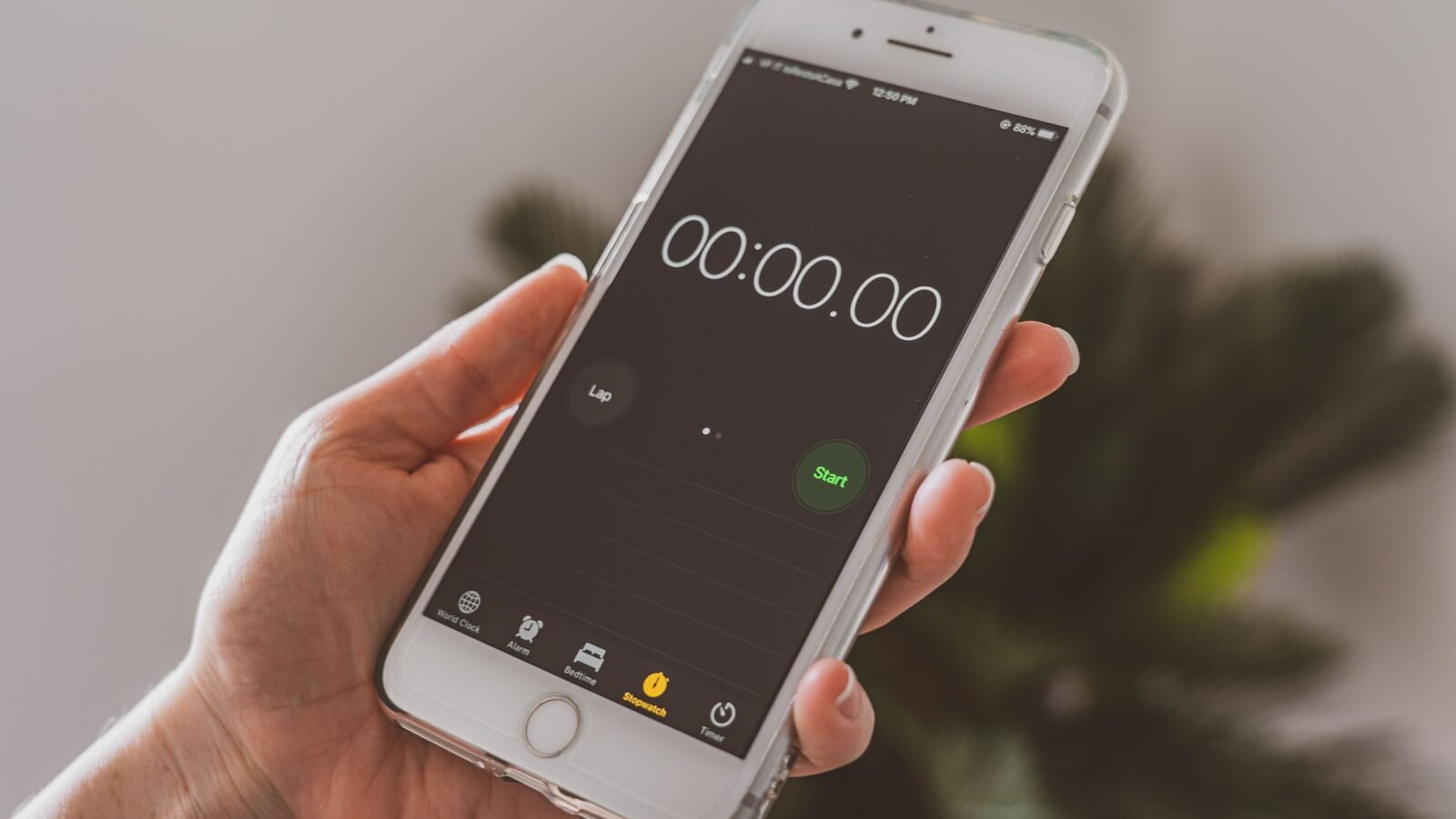
Quick Answer:How long should a voice intro be? Fifteen to twenty-five seconds. Long enough to hear how somebody actually talks, short enough that nobody has to decide whether to keep listening. Hinge caps its voice prompts at thirty seconds, and most practitioners find that well under that converts better.
Why does longer fail? Because the listener cannot skim. Text lets someone scan for the interesting bit in half a second. Audio forces them to sit through your least interesting sentence to reach your best one, and if the good part is at forty seconds, most people will never get there.
Ask five dating coaches how long a voice intro should be, and you will get five confident numbers between five seconds and a minute, none of which come with any evidence attached.
Here is the honest version, including where the number comes from and where it does not.
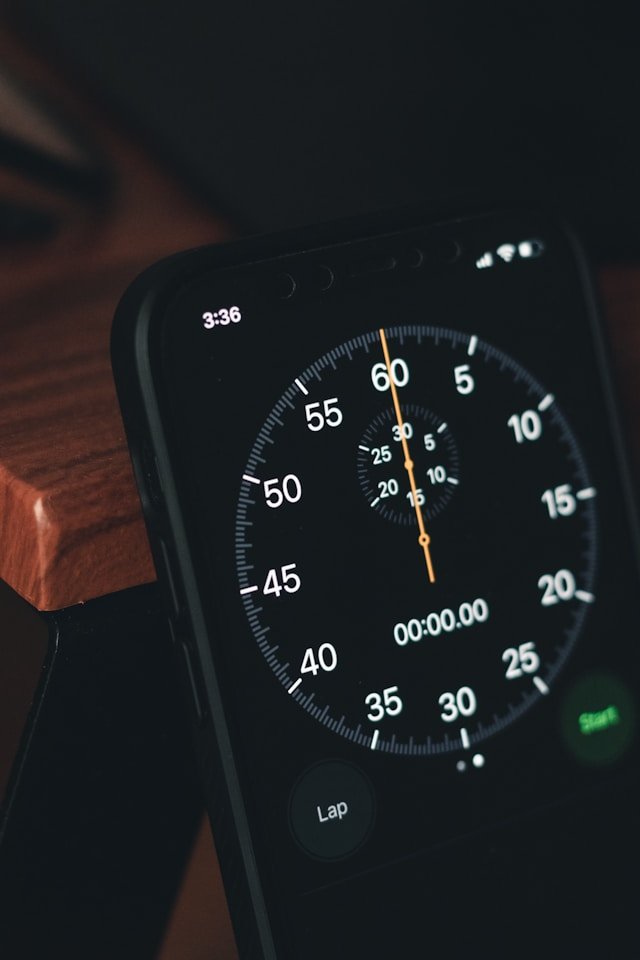
How Long Should a Voice Intro Be?
Fifteen to twenty-five seconds for a profile introduction. Ten to fifteen for a voice note inside a conversation.
That range is not arbitrary, but it is not measured either. It comes from three constraints that are real.
The platform cap. Hinge allows thirty seconds on a voice prompt, which is the closest thing the industry has to a considered judgement about how much audio a stranger will tolerate.
The listener’s exit. Every second past the point where someone has decided is a second where they can decide differently. Short recordings finish before that becomes a question.
And the content limit. There is genuinely not much you can say well in a first introduction. One specific thing, one opinion, and somewhere for a reply to land takes about twenty seconds at a normal speaking pace. Everything after that is either explaining yourself or repeating yourself.
Why Does Longer Fail?
Because of an asymmetry that applies to all audio and hits hardest at the introduction stage.
You cannot skim a recording. With text, a reader takes in the shape of a message instantly, and their eye finds the interesting part without conscious effort. Audio is strictly linear. To reach second thirty, they must sit through seconds one to twenty-nine, whether or not those seconds are earning their place.
That makes length a genuine cost you are imposing rather than generosity you are offering. A long voice intro is not more of you; it is more of a task.
There is also a signalling problem. A long recording tells the listener something before they process a single word: that you did not consider what listening to it involves. Whether or not that is fair, it is what people report, and it is why length is the most common complaint about voice messages generally.
Related Article: Why Voice Notes Feel Intense on Dating Apps
What Can You Actually Fit in Twenty Seconds?
More than people expect, which is the point most length advice misses.
At a natural speaking pace, twenty seconds is roughly fifty to sixty words. That is comfortably enough for three sentences with room to breathe.
Something like: what you did last Sunday, in one specific sentence. Then one opinion you would defend, in one sentence. Then one detail left slightly open, in one sentence.
That structure fits inside twenty seconds, and it is a complete introduction. What does not fit is a summary of your life, and it should not, because nobody wants one.
The mistake people make is treating the time limit as the problem. The limit is the edit. If you cannot get it under thirty seconds, you have not chosen what the intro is about yet.
Does Length Differ by Platform?
Slightly, and mostly because of what the audio sits next to.
On a photo-led app like Hinge, the voice prompt is one element on a profile someone is already scrolling. It competes with six photos and three written prompts, and it needs to be short because it is an accent rather than the main event. Ten to fifteen seconds does more work than thirty.
On a voice-first app, the introduction is the entire encounter. There is nothing else to look at, so there is more room, and twenty to thirty seconds is reasonable. Even then, shorter almost always beats longer, because the decision the listener is making is whether to continue, not whether to commit.
In a conversation, shorter again. Ten to fifteen seconds for a reply. You are answering something, not presenting.
What About Voice Notes Once You Are Talking?
The tolerance goes up as the relationship warms, and it goes up more slowly than people assume.
Early in a conversation, treat fifteen seconds as normal and a minute as long. Once you have met, or once you are exchanging voice notes regularly, longer is fine, because the format has been mutually agreed rather than imposed.
The rule that actually matters is matching. If they are sending you fifteen-second notes, do not send back two minutes. If they are replying in text, the honest read is that they would rather you wrote.
Related Article: What to Say in a Voice Intro Without Sounding Fake
Is There Real Data on This?
Not really, and it is worth saying so plainly given how confidently the number gets asserted.
There is no published study testing voice introduction length against any dating outcome. What exists is a platform limit, a lot of practitioner opinion, and general findings that long voice messages are the most common complaint about the medium.
Hinge’s own data supports voice helping, with the company reporting that a voice note made a conversation 48 percent more likely to lead to a date, but that figure says nothing about length.
So treat any specific number, including mine, as a reasoned convention rather than a finding. The reasoning holds up. The precision does not, and anyone giving you eighteen seconds to the second is guessing with more confidence than the evidence allows.
How Do You Cut a Long Intro Down?
Record it long first, then find the good ten seconds.
Most people try to be brief from the start and end up with something generic, because the interesting detail usually surfaces about forty seconds in, once you have stopped performing. Let the first take run. Then listen once and identify the single sentence that sounded like a person rather than a profile.
Rebuild around that sentence. Everything before it was warm-up, and warm-up is the thing to cut.
Then remove the two things almost every long intro contains: the preamble about not knowing what to say, and the wind-down at the end. Both are dead air, and together they usually account for ten seconds you did not need.
Where CoreAllure Fits
On CoreAllure, the voice introduction is the whole encounter rather than an accessory, which changes how length works.
You answer a prompt rather than facing an empty recorder, which naturally shortens things, because a specific question produces a specific answer instead of a wandering summary. Nothing is live, so you can record, listen, and redo it without anyone waiting.
The listener hears your introduction before any photograph is shown, and the only decision in front of them is whether to keep listening. That is the exact reason brevity matters: you are not asking anyone to judge you; you are asking whether they are curious. Curiosity does not need thirty seconds to form.
Introductions are limited to five a day on Free and ten on Premium, which means what you record gets heard properly by a handful of people rather than skimmed past by hundreds. That is the argument for spending twenty minutes making twenty seconds good.
CoreAllure has not launched and is currently waitlist only.
The Bottom Line
Fifteen to twenty-five seconds for an introduction, ten to fifteen for a reply, and shorter than you think in almost every case.
The number matters less than the reason behind it. You are not being asked to summarise yourself; you are being asked whether you are worth hearing more from, and that question is answered in the first few seconds or not at all.
If the idea of being met through twenty seconds you chose rather than a photograph that did not appeal to you, that is what CoreAllure is being built for, and the waitlist is where you say so.
Frequently Asked Questions
How long should a voice intro be?
Fifteen to twenty-five seconds for a profile introduction, and ten to fifteen for a voice note replying inside a conversation. Long enough to hear how somebody talks, short enough that nobody has to decide whether to continue listening.
How long is a Hinge voice prompt?
Hinge allows up to thirty seconds. Most practitioners find well under that performs better, because the prompt sits alongside photos and written prompts rather than standing alone.
Is a one minute voice intro too long?
Early on, yes. Past about thirty seconds, a recording starts reading as a monologue, and the listener cannot skim to find the interesting part.
How many words is twenty seconds of speech?
Roughly fifty to sixty words at a natural pace, which is three unhurried sentences. Enough for one specific detail, one real opinion and one open door.
Does anyone have data on the best voice intro length?
No published study tests introduction length against dating outcomes. What exists is platform limits, practitioner convention, and general complaints about long voice messages, so treat any exact number as reasoning rather than evidence.
Why do long voice notes annoy people?
Because audio cannot be skimmed. The listener has to sit through everything to reach anything, which turns your recording into a task rather than a message.
Related Topic: Love at First Listen: Hinge’s New Voice Prompts Bring Daters’ Profiles to Life
Related Topic: Hinge data shows this is the key to successfully landing a first date
Ready for a different kind of dating app?

How to Spot a Fake Dating Profile Before You Get Attached
Quick Answer: Knowing how to spot a fake dating profile in 2026 means looking beyond photographs and polished messages. AI-generated faces and convincing…

Dating as a Single Parent: How to Make Room for Someone New
Quick Answer:Dating as a single parent is mostly a time problem and an honesty problem, and almost none of the advice treats…

Dating After Divorce: Why Starting Again Feels Different
Quick Answer:Dating after divorce feels different because it genuinely is different, and not only emotionally. The mechanics changed while you were married.…