
How to Meet People Without Dating Apps in 2026
Quick Answer:How to meet people without dating apps? Put yourself somewhere you will see the same people repeatedly, then tell your friends plainly that you are looking. Repeated contact and introductions through people you trust were how most couples met for most of history, and both still work. What has changed is that they no longer happen by default, so they have to be chosen.
Why does it feel harder than it used to? Because the old routes have been shrinking for a long time. Stanford research published in PNAS found that meeting online overtook meeting through friends around 2013, with about 39 percent of heterosexual US couples meeting online by 2017. Meeting through friends has been declining since the mid-1990s, and meeting through family, church and the neighbourhood since the Second World War.
Deleting the apps is the easy part. The question everyone hits about a week later is quieter and harder: now what?
Most advice answers with a list. Join a club, take a class, say yes to more invitations. The advice is not wrong. It just skips the reason it feels so difficult, and the reason matters, because it tells you which options are worth your evenings.

Why the Old Ways Stopped Happening by Themselves
In 2019, the sociologists Michael Rosenfeld, Reuben Thomas and Sonia Hausen published the most thorough picture available of how couples meet, drawn from a nationally representative US survey.
The headline finding was that meeting online had become the most common way heterosexual couples meet, overtaking meeting through friends around 2013. By 2017, about 39 percent of heterosexual couples had met online, up from 22 percent in 2009. For same-sex couples, the figure was around 65 percent.
The quieter finding is the one that matters here. The traditional routes had not collapsed overnight because of apps. Meeting through family, church and the neighbourhood had been declining since the Second World War. Meeting through friends had been falling since roughly 1995. Apps did not destroy those routes so much as fill a gap that was already opening.
So when you step away from dating apps, you are not returning to a default that is waiting for you. You are rebuilding something that most people’s lives no longer supply automatically. That is why it takes intention, and why it is not a personal failing when it feels slow.
One caveat worth stating: this is US data from 2017. The direction has been similar in other countries, but the precise figures should not be read as universal.
Related Article: Is It Time to Delete Dating Apps? What Happens When You Go Offline in 2026
How to Meet People Without Dating Apps: What Actually Works
Two mechanisms do most of the work, and almost every good option uses one or both.
Repeated contact. Classic research on friendship and proximity has found, again and again, that people form bonds with those they see regularly. Not because of any single conversation, but because familiarity accumulates. The same faces at the same place every week produce connections that a single event almost never does.
Trusted introduction. Being introduced by someone who knows you both carries a kind of pre-vetting that no profile can. It was the dominant route for decades, and it faded partly because people stopped asking.
Anything that gives you both, repeated contact with people your friends also know, is the strongest option available. Anything that gives you neither, a one-off event full of strangers, is the weakest, however well organised.
The Options, Ranked by How Well They Actually Work
Ask your friends directly. The most underused route there is. Most people assume their friends would mention someone if they knew them. Usually they would not think to. Say it plainly: I am looking to meet someone; if you think of anyone, I would genuinely like an introduction. It feels exposing for about a minute, and it reopens the route that used to account for more couples than anything else.
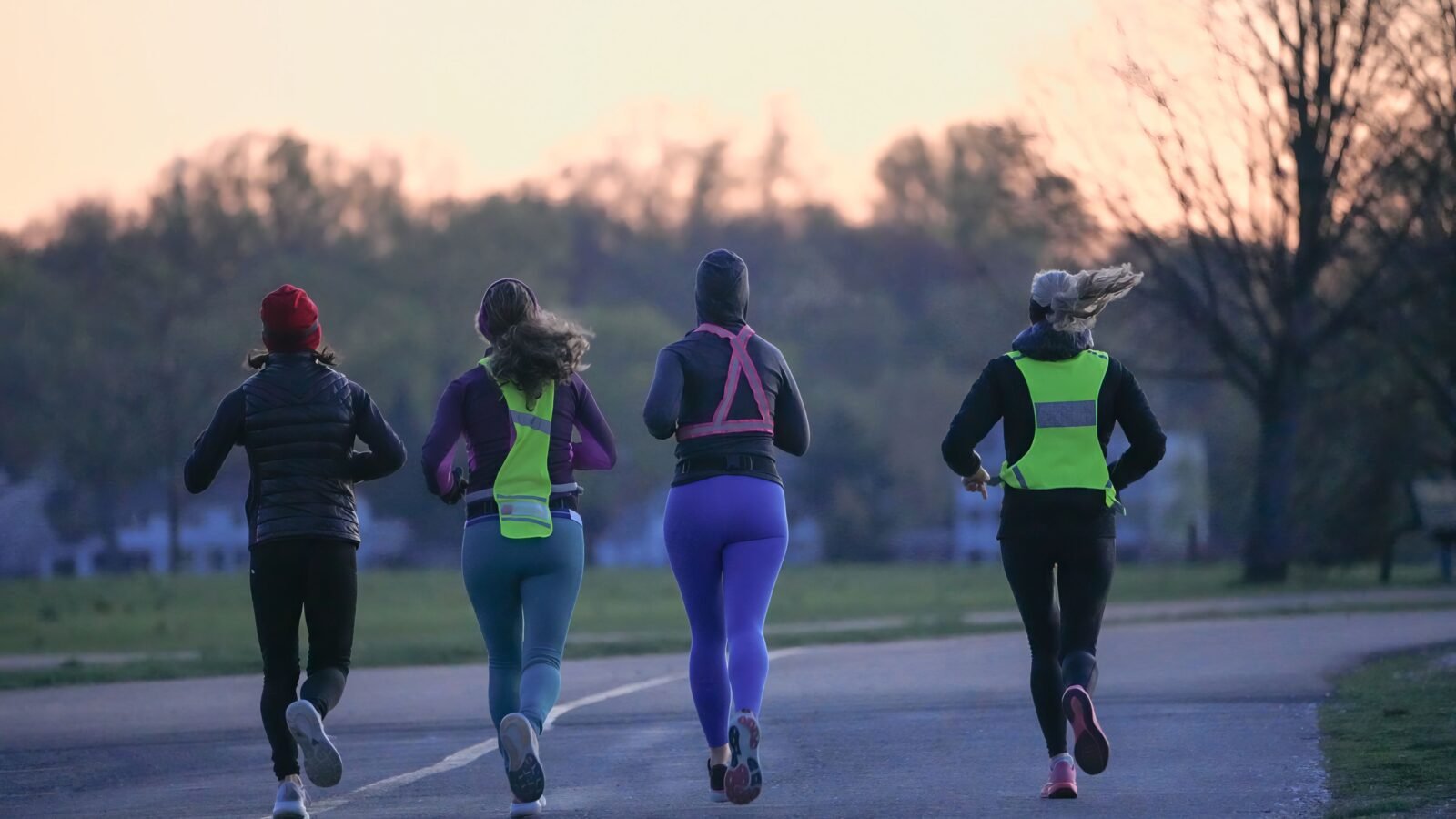
Something weekly, with the same people. A run club, a climbing gym, a choir, a five-a-side team, an evening class that runs for a term. The activity matters less than the recurrence. The first few weeks will produce nothing, and that is the process working, not failing. Connection tends to arrive around week six to ten, once you are a familiar face rather than a new one.
Volunteering. Repeated contact plus a shared purpose, which gives you something to talk about that is not yourself. It also puts you alongside people whose values you can see in action rather than read in a bio.
Social dining. Timeleft and similar services seat you at a table with a handful of strangers. Worth being clear that Timeleft is a social and friendship product rather than a dating one. People do meet partners at those tables, but the real value is widening your circle, which then feeds the friend route above.
Events built for singles. Speed dating, singles nights, and the in-person events apps now run. Tinder has been scaling its events to 75 cities this year. These can work, and they are also one-off encounters with no repeated contact, so treat them as a supplement rather than a strategy.
Related Article: Alternatives to Tinder and Bumble in 2026 That Are Not Just More Swiping

The Part Nobody Mentions: Approaching Someone
Meeting people offline eventually means starting a conversation with someone you do not know, and that is the moment most people quietly avoid.
A few things make it far easier. Talk about the shared thing first rather than the person: the route, the class, the terrible pun the instructor made. Keep the first exchange short and leave while it is still pleasant. And if there is mutual interest, suggesting a coffee after the next session is a much smaller ask than a date, because it sits inside something you both already do.
It is also worth saying plainly that approaching and being approached are not experienced the same way by everyone. Choosing settings where conversation is normal, and where people will see each other again, makes it more comfortable for both sides, because nobody is trapped and nobody is a stranger for long.
When a conversation does lead somewhere, the first date itself is easier than an app date, because you already share a context and have things to follow up on.
Related Article: What to Talk About on a First Date, Without Turning It Into an Interview
Why It Feels Slower, and Why That Is Fine
An app gives you forty profiles in an evening. A run club gives you the same twenty people for three months.
That feels like a worse deal, and in volume it is. In outcome it often is not, because the thing apps are worst at is precisely what repeated contact is best at: letting you learn how someone actually behaves, over time, without either of you performing for a profile.
The trade is patience for accuracy. People who try this for three weeks and conclude it does not work usually stopped just before it would have.
If You Still Want Something Digital
Stepping away from apps does not have to mean rejecting every digital route. Plenty of people want to widen their circle offline and keep one quieter channel open.
If so, the lesson from everything above is to choose something scarce rather than endless. An app that gives you a finite set of introductions, closes connections that go nowhere, and points you towards a meeting rather than more browsing behaves much more like the offline routes than like a swipe deck.
Related Article: Best Non-Swipe Dating Apps in 2026
Where CoreAllure Fits
CoreAllure is built as that quieter digital option rather than a replacement for a life offline.
You hear someone’s voice introduction before any photograph is shown, which gives you what a run club gives you over weeks: a sense of how someone actually talks, in about thirty seconds. If you are curious, you choose Resonate, which is not a like and does not create a match; it simply means you would like to know more.
Introductions are limited to ten a day on Free and twenty-five on Premium, so it sits alongside your week instead of consuming it. And once two people choose to connect, there is a forty-eight-hour window to begin the conversation. If nothing meaningful begins, the connection closes gracefully. No guilt, no penalty, and no growing list of matches pulling you back to your phone when you could be out.
CoreAllure has not launched and is currently waitlist only.
The Bottom Line
Learning how to meet people without dating apps is mostly a matter of rebuilding two things modern life stopped providing automatically: seeing the same people repeatedly, and being introduced by people who know you.
Ask your friends plainly. Commit to one weekly thing for a full term rather than trying ten things once. Treat singles events as extras, not a plan. And if you keep a digital channel open, choose one that has an ending.
The old routes did not fail. They simply stopped happening by themselves. Chosen deliberately, they still work.

Frequently Asked Questions
How to meet people without dating apps?
Choose settings where you see the same people repeatedly, such as a weekly club, class or team, and tell your friends directly that you would like introductions. Repeated contact and trusted introductions are the two routes that historically produced the most couples.
How do most couples meet now?
In the US, online. Research published in PNAS found meeting online overtook meeting through friends around 2013, reaching about 39 percent of heterosexual couples by 2017, and around 65 percent of same-sex couples. Meeting through friends has been declining since the mid-1990s.
What is the best way to meet someone in person?
Something recurring beats something one-off. A weekly activity with the same group lets familiarity build over time, which is when connection tends to form. One-off singles events can work but lack that repeated contact.
How long does it take to meet someone through a club or class?
Longer than an app, usually several weeks before you stop being a new face. Many people give up after two or three sessions, which is typically before the familiarity that leads to connection has had time to develop.
Is it weird to ask friends to set me up?
No, and it is one of the most effective routes there is. Most friends will not think to suggest someone unless you ask directly. Saying it once, plainly, reopens the way most couples used to meet.
Should I delete dating apps completely?
Not necessarily. Many people widen their circle offline and keep one quieter app. If you do, choose one with a finite set of introductions rather than an endless feed, so it supports your week rather than taking it over.
Related Topic: Online dating is the most popular way couples meet, Stanford
Ready for a different kind of dating app?

Why Matches Never Turn Into Dates
Why do matches never turn into dates? Because the talking stage is not a bridge to meeting; it is where meeting goes to die. Research by…

Why Can’t I Connect With Anyone? The Real Reasons and What Helps
If you can't connect with anyone, it is usually not because something is wrong with you. Modern dating trains people to stay on the surface, move…

Dead Chats – Why Your Matches Go Nowhere and How to Fix It
Quick Answer:Dead chats are matches that never turn into a real conversation. They happen because dating apps reward collecting matches instead of…