
Are Dating Apps Designed to Be Addictive? The Signs to Look For
Quick Answer:Are dating apps designed to be addictive? That is exactly what a 2024 class action against Match Group alleged, claiming Tinder, Hinge, and The League use game-like features to encourage compulsive use and keep people subscribed rather than help them leave. The claims were never tested in court. In December 2024, a judge sent the case to individual arbitration, and Match has always denied the allegations.
So how do you tell for yourself? Look at the design rather than the marketing. An endless deck, matches that never expire, rewards that arrive unpredictably, interest hidden behind a paywall, and timers that manufacture urgency. Any one is ordinary product design. All five together describe a product that earns more when you stay than when you leave.
There is a particular kind of evening that anyone who has used dating apps will recognise.
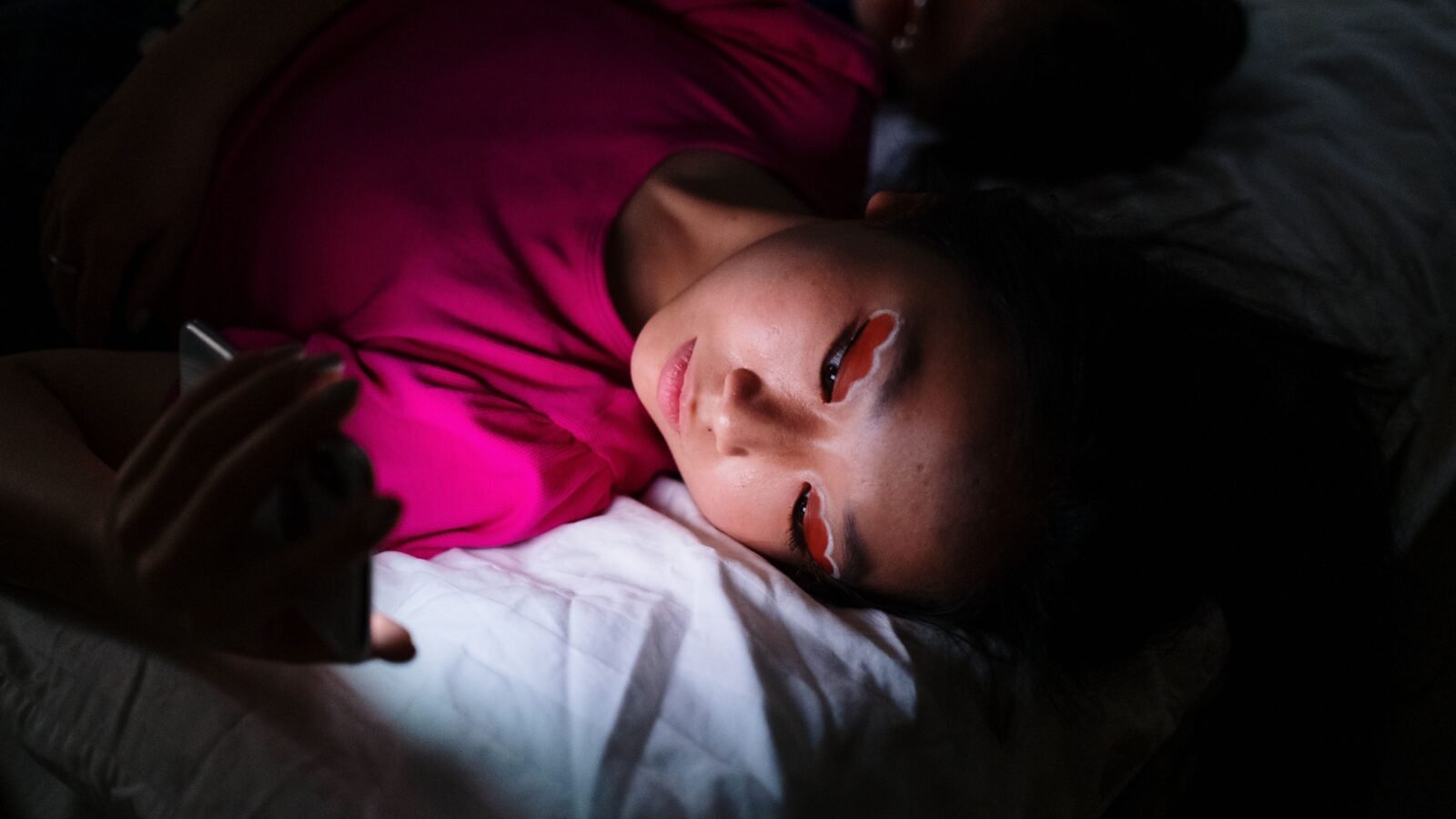
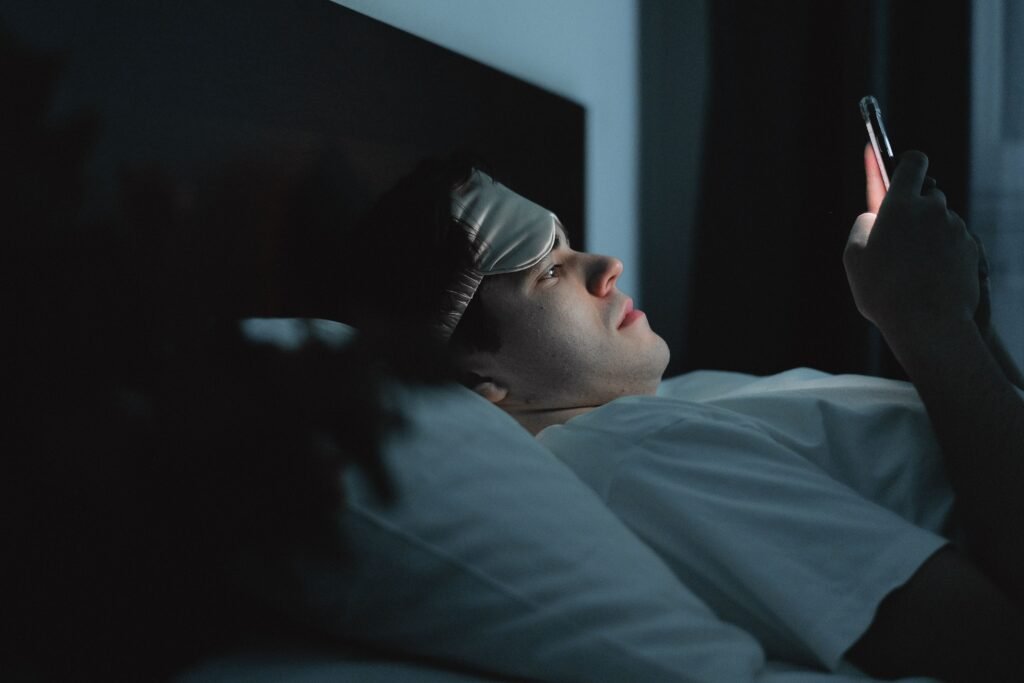
You open the app for five minutes. Forty minutes later you are still going; you have not messaged anyone; you do not feel better, and you will open it again tomorrow. Nothing about that evening moved you closer to meeting someone. Something about it still felt worth doing.
That gap, between how compelling it feels and how little it produces, is the whole subject of this article.
Are Dating Apps Designed to Be Addictive? What the Lawsuit Alleged
On 14 February 2024, six plaintiffs from California, New York, Georgia and Florida filed a putative class action against Match Group in the Northern District of California. According to Match Group’s own quarterly filing with the SEC, they alleged that Tinder, Hinge and The League are designed to be addictive, that these features lead to increased depression and loneliness, and that the company failed to warn users of the risk.
The complaint singled out Hinge’s slogan, the dating app designed to be deleted, arguing the business model depended on the opposite: retaining paying subscribers. It sought damages, warnings in the apps and changes to marketing.
Match called the claims ridiculous and preposterous, pointing to the very large number of people who met partners through its apps and then deleted them.
Then, in December 2024, Magistrate Judge Laurel Beeler granted Match’s motion to compel arbitration, based on the arbitration clauses in the apps’ terms of service. The class action was stayed. Each user now has to pursue their claim individually.
Which means the honest answer to whether dating apps are designed to be addictive is that nobody has proved it in court and nobody has disproved it either. The question was moved somewhere private before it was answered.
What you can do is look at the design yourself.
The Mechanism Underneath Everything
Before the signs, the principle that ties them together.
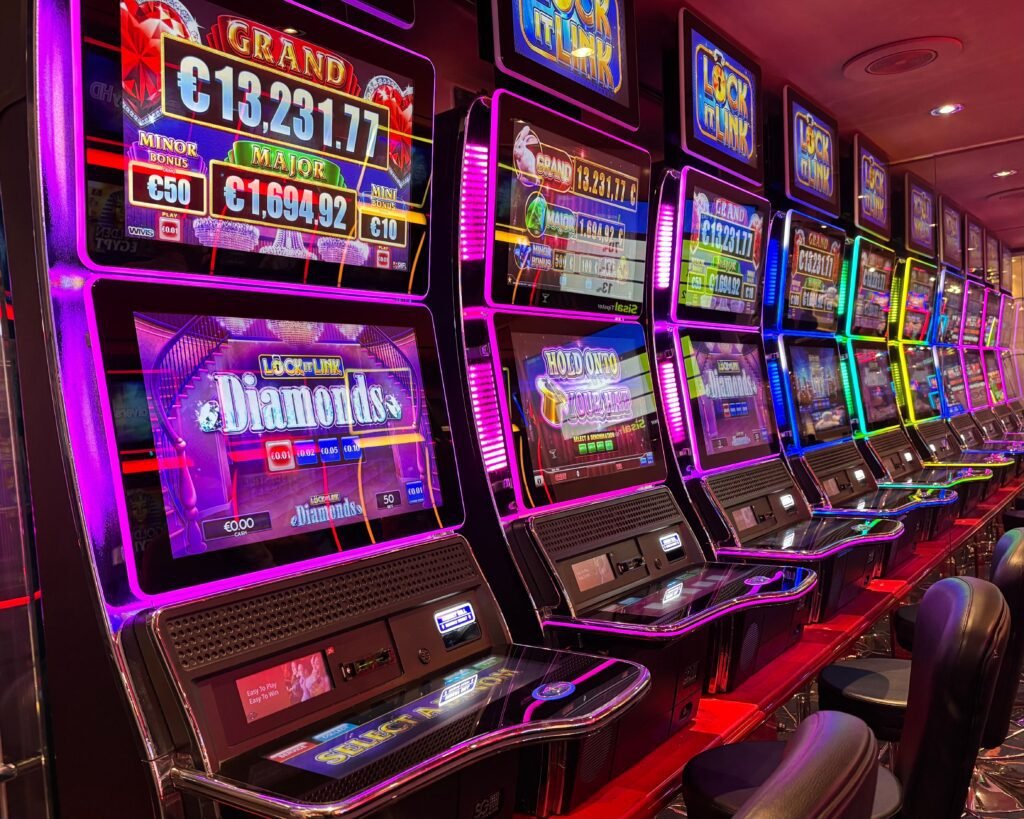
Behavioural psychology has known for decades that the most persistent behaviour comes from rewards that arrive unpredictably. A reward you get every time is satisfying and easy to stop. A reward you get sometimes, at random, is the one people keep chasing. It is the same structure as a slot machine, and it is not controversial as a principle.
A swipe deck fits it closely. Most swipes produce nothing. Occasionally one produces a match, and you cannot predict which. That uncertainty is what makes the next swipe feel worth doing.
None of that proves intent. Unpredictable rewards also arise naturally whenever you are waiting on other people. But it explains why the evening described above happens, and why it happens to sensible people.
Sign One: The Deck Never Ends
The clearest signal is the absence of an ending.
A product built to help you meet someone would benefit from a stopping point, because attention is finite and decisions degrade with volume. Research on online dating choice has found that the more profiles people work through in a session, the more likely they become to reject everyone, sliding into what researchers called a rejection mindset. More options produced worse judgement, not better matches.
An infinite deck ignores that. It is optimised for another swipe, not a better one.
Related Article: Dating App Burnout Is Real and Here Is How To Heal From It
Sign Two: Matches That Never Expire
A match that stays open forever costs nothing to keep, so nobody ever has to act on it.
The result is familiar: forty open matches, three half-conversations, no dates. From a product point of view, though, forty open matches are forty reasons to come back and check. The unresolved list is itself a return mechanism.
A design aimed at meetings would put a shape on this. Some apps now do, which is worth noting, because it proves it is a choice rather than a technical limitation.
Sign Three: Rewards Timed to Bring You Back
Notice when the app contacts you, and what it says.
“Someone new liked you.” “You have a new match.” “People are active near you now.” Each one is a small, unpredictable reward delivered at a moment you did not choose, and each one pulls you back into the deck rather than into a conversation.
The test is simple. Does the notification move you towards a specific person, or back towards browsing? If it is mostly the second, the notification exists for the app’s engagement, not for your dating.
Sign Four: Interest Hidden at the Moment You Care Most
Several apps show you that someone liked you, then blur who it was until you pay.
Consider the timing. The paywall appears at the precise moment your curiosity peaks. That is effective product design, and it is worth recognising for what it is: a price attached to finding out whether someone is interested, placed where you are least inclined to walk away.
Premium features are not wrong in themselves, and every app needs revenue. The sign is where the paywall sits. Charging for convenience is one thing. Charging at the peak of anticipation is another.
Sign Five: Streaks, Boosts and Countdown Clocks
Anything that manufactures urgency deserves a second look.
Boosts that promise visibility for thirty minutes. Offers that expire at midnight. Streaks, badges and reminders that you have not been active. These borrow from mobile gaming, and the complaint against Match described exactly this gamification.
Urgency is legitimate when it serves you, a date on Thursday, a conversation that needs a reply. It is a lever when it serves only the next session.
How to Tell If It Is Working on You
Three questions, and they are more useful than any design audit.
Do you open the app without deciding to? Reaching for it automatically, in queues, in bed, is the clearest behavioural sign that it has become a habit rather than a tool.
Do you feel better or worse afterwards? If sessions routinely leave you flatter than before, and you return anyway, the pull is not coming from the results.
When did browsing last turn into a date? If the honest answer is months, the app is occupying your time without doing the job you downloaded it for.
None of this is a diagnosis, and wanting to check your matches is normal. But if the habit is affecting your sleep, your mood or your time with people, that is worth taking seriously on its own terms, and stepping away for a fortnight is a reasonable experiment rather than a failure.
Related Article: Is It Time to Delete Dating Apps? What Happens When You Go Offline in 2026
What Healthier Design Looks Like
Every sign above has an opposite, and some products already use them.
A finite daily set instead of an endless deck. Hinge limits free likes each day. Breeze sends a small batch at seven in the evening and books the date itself. An ending to open matches, so connections either begin or close. Notifications that point at a person rather than at the deck. And paywalls placed on convenience rather than on curiosity.
The industry has started moving this way, partly because paying users are declining and partly because the complaint about compulsive design is now mainstream. The design choices are visible. You can read an app the way you would read a contract.
Related Article: Best Non-Swipe Dating Apps in 2026
Where CoreAllure Sits
CoreAllure was designed against most of the signs above, and it is worth being precise about which.
There is no deck. Introductions are limited to ten a day on Free and twenty-five on Premium, and when they are gone, they are gone until tomorrow. You hear someone’s voice introduction before any photograph, and the only decision is whether to keep listening. If you are curious, you choose Resonate, which is not a like and does not create a match; it simply means you would like to know more.
Connections do not stay open forever. Once two people choose to connect, there is a forty-eight-hour window to begin the conversation, and if nothing meaningful begins, the connection closes gracefully. No guilt, no penalty, and no growing list of unresolved matches pulling you back.
To be straightforward about the paywall question: Premium does include seeing who chose you, alongside deeper support from Luna. What it does not include is an endless feed. Every tier has an ending, and that is the design decision the rest of the product follows from.
CoreAllure has not launched and is currently waitlist only.
Related Article: Are Dating Apps Dying in 2026, or Is It Just the Swipe?
The Bottom Line
Are dating apps designed to be addictive? A group of users alleged exactly that in court; the company denied it, and the case was moved to private arbitration before anyone decided.
You do not need a verdict to read the design. An endless deck, matches that never close, rewards that arrive at random, interest hidden at the peak of curiosity, and manufactured urgency. Those are choices, and you can see them.
The useful question is not whether an app is addictive in some clinical sense. It is whether it earns more when you stay than when you leave, and whether your evenings on it are moving you any closer to meeting someone.
Frequently Asked Questions
Are dating apps designed to be addictive?
A 2024 class action alleged that Tinder, Hinge and The League were using game-like features to encourage compulsive use. Match Group denied it, and in December 2024 a judge sent the case to individual arbitration, so the claims were never tested in court.
What happened to the Tinder and Hinge addiction lawsuit?
A federal magistrate judge granted Match Group’s motion to compel arbitration in December 2024, based on the arbitration clauses in the apps’ terms of service. The class action was stayed, and users must pursue claims individually.
Why does swiping feel so hard to stop?
Because rewards arrive unpredictably. Most swipes produce nothing, and occasionally one produces a match, and behaviour driven by unpredictable rewards is among the most persistent known. It is the same structure as a slot machine.
What are the signs of addictive app design?
An endless deck, matches that never expire, notifications that pull you back to browsing, interest hidden behind a paywall at the moment of curiosity, and manufactured urgency through boosts, streaks and countdowns.
How do I know if a dating app is bad for me?
Ask whether you open it without deciding to, whether you feel worse afterwards and return anyway, and when browsing last turned into a date. If the habit is affecting sleep, mood, or time with people, a two-week break is a reasonable experiment.
Are there dating apps that are not built this way?
Some limit daily choices, close inactive matches, or book dates directly. Hinge limits free daily likes, and newer products such as Breeze and Ditto remove browsing entirely. Check whether an app has an ending before judging its promises.
Related Topic: Match Group quarterly report, including the Oksayan class action
Related Topic: Class-action lawsuit claims Tinder, Hinge dating apps designed to addict users
Ready for a different kind of dating app?
Are Dating Apps Dying in 2026, or Is It Just the Swipe?
Are dating apps dying in 2026? Not dying. Shrinking and repricing. Match Group reported second-quarter 2026 revenue of $853 million, down 1 percent, with total payers…
Alternatives to Tinder and Bumble in 2026 That Are Not Just More Swiping
Quick Answer:What are the best alternatives to Tinder and Bumble? They fall into three groups. AI matchmakers like Ditto and Sitch replace…
Slow Dating in 2026: Does Dating Fewer People Actually Work?
What is slow dating? Slow dating means deliberately talking to fewer people at once, letting things develop over weeks rather than days, and choosing depth over…